Pigment Safety

Pigment Safety : by Angela Babin
also of interest: On Pigments and Binders | Metal Pigments
Pigment Safety (Drawing and Painting)
Angela Babin
Dry pigments are especially hazardous because they are easily inhaled and ingested. They are used in encaustic, paper-marbleizing and in the fabrication of paint products, and will be discussed more thoroughly in the section on pastels.
Hazards
1. Poisoning can occur if toxic pigments are inhaled or ingested. The main hazard in standard painting techniques is accidental ingestion of pigments due to eating, drinking or smoking while working, inadvertent hand to mouth contact, or pointing the paint brush with the lips. If methods such as spraying, heating, or sanding are employed then there is an opportunity for inhalation of toxic pigments.
2. The classic example of a toxic inorganic pigment in painting is white lead, or flake white (basic lead carbonate). Lead pigments can cause anemia, gastrointestinal problems, peripheral nerve damage (and brain damage in children), kidney damage and reproductive system damage. Other inorganic pigments may be hazardous, including pigments based on cobalt, cadmium, and manganese. (See Table 1)
3. Some of the inorganic pigments, in particular cadmium pigments, chrome yellow and zinc yellow may cause lung cancer. In addition lamp black and carbon black may contain impurities that can cause skin cancer.
4. Chromate pigments (chrome yellow and zinc yellow) may cause skin ulceration and allergic skin reactions (such as
Children under the age of 12 should not use or be around artists’ paints or professional drawing media. They should only use art materials that are approved for use with children. See our data sheet “Children’s Art Supplies Can be Toxic” for more information on children.
Pigments Painters use pigments in oil paints, acrylics, watercolor paints, gouache, encaustic, poster paints, casein paints and tempera. Sometimes commercial paints such as oil enamel, epoxy paints and automobile paints are used.
Paints are pigments mixed with a vehicle or binder. Both inorganic and organic pigments are used as colorants. Dry pigments are especially hazardous because they are easily inhaled and ingested. They are used in encaustic, paper-marbleizing and in the fabrication of paint products, and will be discussed more thoroughly in the section below on pastels.
Hazards
1. Poisoning can occur if toxic pigments are inhaled or ingested. The main hazard in standard painting techniques is accidental ingestion of pigments due to eating, drinking or smoking while working, inadvertent hand to mouth contact, or pointing the paint brush with the lips. If methods such as spraying, heating, or sanding are employed then there is an opportunity for inhalation of toxic pigments.
2. The classic example of a toxic inorganic pigment in painting is white lead, or flake white (basic lead carbonate). Lead pigments can cause anemia, gastrointestinal problems, peripheral nerve damage (and brain damage in children), kidney damage and reproductive system damage. Other inorganic pigments may be hazardous, including pigments based on cobalt, cadmium, and manganese.
3. Some of the inorganic pigments, in particular cadmium pigments, chrome yellow and zinc yellow may cause lung cancer. In addition lamp black and carbon black may contain impurities that can cause skin cancer.
4. Chromate pigments (chrome yellow and zinc yellow) may cause skin ulceration and allergic skin reactions (such as rashes).
5. The long-term hazards of the modern synthetic organic pigments have not been well studied.
(See Table 1)
NOTE: Unstabilized Ultramarine Pigments may release highly toxic gases when mixed with acids, alkaline, lead, or oxidizers; these may be lethal.
read more here: Ultramarine Pigment Safety
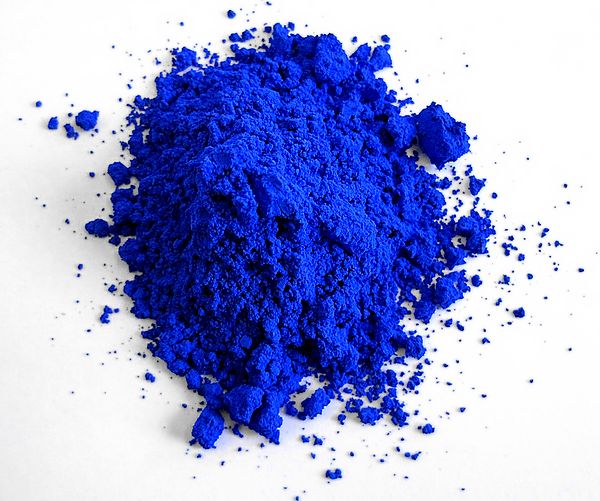
YInMn Blue (/jɪnmɪn/; for the chemical symbols Y for yttrium, In for indium, and Mn for manganese), also known as Oregon Blue or Mas Blue, is an inorganic blue pigment that was discovered by Mas Subramanian and his (then) graduate student, Andrew Smith, at Oregon State University in 2009
_____________________________________________________________________
Table 1 –
Toxic Pigments Known or Probable Carcinogens / Highly Toxic Pigments
antimony white (antimony trioxide) | barium yellow (barium chromate) | burnt umber or raw umber (iron oxides, manganese silicates or dioxide) |
cadmium red or orange (cadmium sulfide, cadmium selenide) | cadmium yellow (cadmium sulfide) | cadmium barium colors (cadmium colors and barium sulfate) | cadmium barium yellow (cadmium sulfide, cadmium selenide, barium sulfate, zinc sulfide) | chrome green (prussian blue, lead chromate) |
chrome orange (basic lead carbonate) | chrome yellow (lead chromate) | cobalt violet (cobalt arsenate or cobalt phosphate) | cobalt yellow (potassium cobaltinitrate) | lead or flake white (basic lead carbonate) | lithol red (sodium, barium and calcium salts of soluble azo pigment) |
manganese violet (manganese ammonium pyrophosphate) | molybdate orange (lead chromate, lead molybdate, lead sulfate) | naples yellow (lead antimonate) strontium yellow (strontium chromate) | vermilion (mercuric sulfide) | zinc sulfide zinc yellow (zinc chromate)
Table 1 –
Moderately Toxic Pigments / Slightly Toxic Pigments
alizarin crimson (lakes of 1,2-dihydroxyanthaquinone or insoluble anthraquinone pigment) | carbon black (carbon) |
According to a recent study by the National Institutes of Health, the common pigment alizarin crimson is more toxic than thought, and should be considered to be in the ‘toxic’ category, as the new findings suggest. (liver enzyme toxicity and damage to the immune system).
“The toxic effects of alizarin red S on catalase at the molecular level“
cerulean blue (cobalt stannate) | cobalt blue (cobalt stannate) | cobalt green (calcined cobalt, zinc and aluminum
oxides) | chromium oxide green (chromic oxide) manganese blue (barium manganate, barium sulfate) | prussian blue
(ferric ferrocyanide) | toluidine red (insoluble azo pigment) | toluidine yellow (insoluble azo pigment) | viridian
(hydrated chromic oxide) zinc white (zinc oxide
_____________________________________________________________________
Precautions
1. Obtain MSDSs on your paints to find out what pigments you are using. This is especially important because the name that appears on the tube of color may or may not truly represent the pigments present. Manufacturers may keep the name of a color while reformulating the ingredients.
2. Use the least toxic pigments possible. Do not use lead or carcinogenic pigments.
3. Avoid mixing dry pigments whenever possible.
4. If dry pigments are mixed, do it inside a glove box (a box with a glass or plexiglas top and holes in the sides for arms) or inside a laboratory-type fume hood.
5. Wet mop and wipe all surfaces when using dry pigments.
6. If a glove box or exhaust hood is not practical, wear a NIOSH-approved toxic dust respirator when mixing dry pigments. A toxic dust and mists respirator would also be necessary if you sand the finished painting; if you use a torch, a toxic dusts, mists and fumes respirator would be needed because of the possibility of generating metal fumes from the pigments with the torch.
7. Avoid using dishes, containers or utensils from the kitchen to mix and store paints and pigments.
_____________________________________________________________________
UIC Health and the Arts Program
Online Health and Safety in the Arts Library
__________________________________________________________
Angela Babin: Pigment Safety, continued
Pigments
Painters use pigments in oil paints, acrylics, watercolor paints, gouache, encaustic, poster paints, casein paints and tempera. Sometimes commercial paints such as oil enamel, epoxy paints and automobile paints are used.
Paints are pigments mixed with a vehicle or binder. Both inorganic and organic pigments are used as colorants. Dry pigments are especially hazardous because they are easily inhaled and ingested. They are used in encaustic, paper-marbleizing and in the fabrication of paint products, and will be discussed more thoroughly in the section below on pastels.
Hazards
1. Poisoning can occur if toxic pigments are inhaled or ingested.
The main hazard in standard painting techniques is accidental ingestion of pigments due to eating, drinking or smoking while working, inadvertent hand to mouth contact, or pointing the paint brush with the lips. If methods such as spraying, heating, or sanding are employed then there is an opportunity for inhalation of toxic pigments.
2. The classic example of a toxic inorganic pigment in painting is white lead, or flake white (basic lead carbonate). Lead pigments can cause anemia, gastrointestinal problems, peripheral nerve damage (and brain damage in children), kidney damage and reproductive system damage. Other inorganic pigments may be hazardous, including pigments based on cobalt, cadmium, and manganese. (See Table 1)
3. Some of the inorganic pigments, in particular cadmium pigments, chrome yellow and zinc yellow may cause lung cancer. In addition lamp black and carbon black may contain impurities that can cause skin cancer.
4. Chromate pigments (chrome yellow and zinc yellow) may cause skin ulceration and allergic skin reactions (such as rashes).
5. The long-term hazards of the modern synthetic organic pigments have not been well studied. (See Table 1)
Table 1 – Toxic Pigments
Known or Probable Carcinogens/Highly Toxic Pigments
antimony white (antimony trioxide)
barium yellow (barium chromate)
burnt umber or raw umber (iron oxides, manganese silicates or
dioxide)
cadmium red or orange (cadmium sulfide, cadmium selenide)
cadmium yellow (cadmium sulfide)
cadmium barium colors (cadmium colors and barium sulfate)
cadmium barium yellow (cadmium sulfide, cadmium selenide, barium
sulfate, zinc sulfide)
chrome green (prussian blue, lead chromate)
chrome orange (basic lead carbonate)
chrome yellow (lead chromate)
cobalt violet (cobalt arsenate or cobalt phosphate)
cobalt yellow (potassium cobaltinitrate)
lead or flake white (basic lead carbonate)
lithol red (sodium, barium and calcium salts of soluble azo
pigment)
manganese violet (manganese ammonium pyrophosphate)
molybdate orange (lead chromate, lead molybdate, lead sulfate)
naples yellow (lead antimonate)
strontium yellow (strontium chromate)
vermilion (mercuric sulfide)
zinc sulfide
zinc yellow (zinc chromate)
Moderately Toxic Pigments/Slightly Toxic Pigments
alizarin crimson (lakes of 1,2-dihydroxyanthaquinone or insoluble
anthraquinone pigment)
carbon black (carbon)
cerulean blue (cobalt stannate)
cobalt blue (cobalt stannate)
cobalt green (calcined cobalt, zinc and aluminum oxides)
chromium oxide green (chromic oxide)
manganese blue (barium manganate, barium sulfate)
prussian blue (ferric ferrocyanide)
toluidine red (insoluble azo pigment)
toluidine yellow (insoluble azo pigment)
viridian (hydrated chromic oxide)
zinc white (zinc oxide)
Precautions
1. Obtain MSDSs on your paints to find out what pigments you are using. This is especially important because the name that appears on the tube of color may or may not truly represent the pigments present.
Manufacturers may keep the name of a color while reformulating the ingredients.
2. Use the least toxic pigments possible. Do not use lead or carcinogenic pigments.
3. Avoid mixing dry pigments whenever possible.
4. If dry pigments are mixed, do it inside a glove box (a box with a glass or plexiglas top and holes in the front.
Full Site Map: a l l p a g e s / t o p i c s
This article was originally printed for Art Hazard News, © copyright Center for Safety in the Arts. It appears on nontoxic-print art+science courtesy of the Health in the Arts Program, University of Illinois at Chicago, who have curated a collection of these articles from their archive which are still relevant to artists today.