Water mixable Oil Paint: A Revolution

Water-miscible oil paint and printing ink has been available since the late 1990s and has been steadily developed and improved since that time. Many ink and oil paint manufacturers have introduced their own lines of this new type of oil paint, and more and more artists have introduced these materials to their repertoire.

Water mixable oil paint or ink does not require the use of any kind of cleaning solvent other than (soapy) water, which is a major environmental and health benefit over the use of turpentine, or mineral spirits. Especially regular users of water based paints such as acrylic or gouache painters will find it easy to transition to this type of oil painting, or mix it with their existing paints and materials (use oil over WB, not the other way around).
Rather than seeing these new paints as a straight replacement for traditional oil paint, users should regard water-miscible paints as a new and independent painting medium that has its own creative qualities, chemical characteristics and mark making potential.
Also, for the first time successful wash or layered effects can be achieved from oil paint simply by diluting them with water, which is a major safety benefit, and frees the working atmosphere from harmful VOC emissions. Many experienced users actually thin these paints — at different times — both with water or with low VOC-solvents or mediums to achieve different effects; solvent, medium, or oil thinning will open up possibilities of dilution that are more akin to traditional oil glazes. Many of the manufacturers also brought out specialist mediums for that purpose; or simply walnut or light linseed oil could also be used for making translucent layers and glazes.
Ultimately, for health conscious painters, working with water mixable oils should not require the use of any VOC thinners.

a selection of water mixable oils; enabling oil painting without fumes!
Artists are reporting back their experience with water mixable oils. It turns out that some artists fully embrace and appreciate what these paints and inks have to offer, while adapting to the new characteristics. Note: A few types of watermix paints tend to take longer to dry than most kinds of regular oil paint from tubes, (similar to how walnut oil takes longer to dry than linseed) and also there may be a need to work on more absorbent surfaces such as gessoed canvas. The longer drying time is due to the absence of toxic heavy metal dryers such as cobalt or manganese, but as seen below, other strategies can be employed if fast drying is needed.
Some users have reported problems in adhering W-M oil paints to oily or sealed surfaces, and with these kinds of substrates regular oil paint should be used instead.
At the same time an increasing number of painters appreciate the unique mark making repertoire of the medium, and the ease of thinning and cleanup. Any artist should experiment and try these paints for themselves. The water mixable oil medium is a true hybrid form that wonderfully bridges properties of polymers and the traditional qualities of oils, and extends creative possibilities. Early fears that paintings made in this medium may be less durable are likely to be unfounded. Polysorbate 80 is not a ‘soapy’ surfactant that would degrade or break down a paint film. By contrast, this emulsifying sugar/polymer oil provides linseed or walnut oil with additional monomeric source material that aids good and long lasting polymerization. Did you know? Sorbate sugars are also prolific in nature, and they are a key ingredient in Apples!
Water miscible intaglio and block printing inks have also taken a strong foothold in the repertoire of contemporary printmaking (see bottom of page).
Water Mixable Oil Paint Demystified: Process and Ingredients
There is evidence from multiple sources (including our own testing) that suggests that a key ingredient for making oil paint water mixable is Polyoxyethylene (80) sorbitan monooleate. (x)-sorbitan mono-9-octadecenoate poly(oxy-1,2-ethanediyl).
Also known as Tween 80, or Sorbitol 80, this semi-synthetic gel-like material is commonly used in pharmaceticals, the food industry, and in cosmetics. Polyoxythylene (80); this sugar alcohol is fairly nontoxic, and regarded as food grade, — its base material also occurs in apples — and it is known for its unique and powerful emulsifying action that can marry oil with water and form the basis of monomeric mycelle structures; similar to acrylic paint. Tween 80 can be purchased in smaller quantities via Amazon or in larger bottles, from laboratory suppliers or on Ebay.
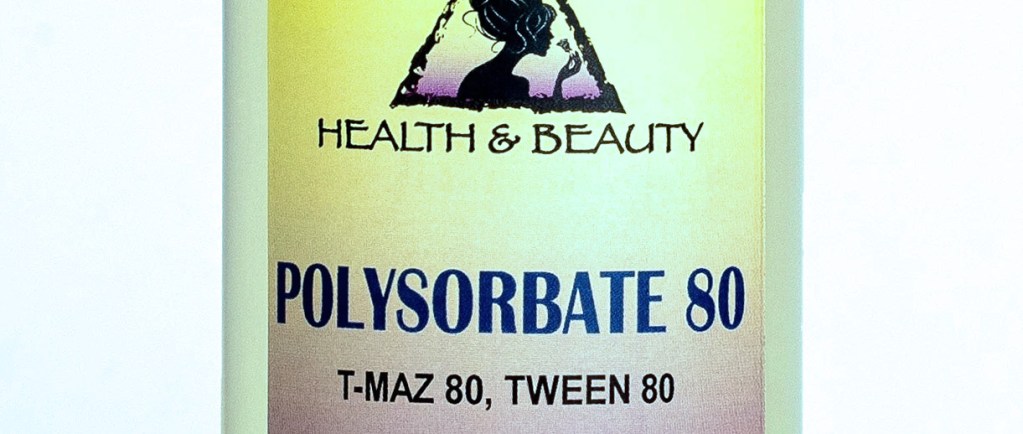
Museum conservators found traces of Tween 80 in recent oil paintings through chemical surface analysis, and some artists started making their own water mixable oil paint by adding 30% Tween 80 to regular tube oil paints, or by mixing it into linseed oil, safflower oil, or walnut oil during paint mulling with pigments.
R E C I P E
HOW TO MAKE WATER MIXABLE OIL PAINT:
Add 1/3 of Polyoxyethylene (80) to 2/3 of regular oil paint, and mix thoroughly with a palette knife or a paint muller. The resulting oil paint will easily mix with pure water as a solvent that is dropped or sprayed onto the mix. Voila: The result is thinned oil paint that can be used for subtle washes or glazes, as if turpentine had been used. The working time is longer than with volatile solvent washes. Fume emissions during mixing are of little concern.
(for glazes add some extra walnut oil).
DANGER: do not use this mixture with heavy metal pigments and paints, as hazardous reactions may occur (e.g. lead white, cadmium red etc.).
Oil paint needs Oxygen to dry
Any water miscible paint benefits from the addition of water even in small quantities, such as 5% to 10%. This not only improves working properties but also aids the polymerization reaction through the addition of extra water born oxygen (oil paint is oxygen poor and normally needs to obtain oxygen from the air over long periods of drying time). Also recommended, for the same reason: add 2% to 4% vegetable glycerin to the paint mixture.
Oil paint dries well in the sun
Linseed oil ideally needs sunlight and continuous air flow from a fan to cure. Storage of in-progress oil paintings in unventilated, cold and dark places generates VOCs and may lead to a poorer (less well polymerized) paint film. Some oil painters successfully use LED UV resin lamps and fans to enhance the curing process and to reduce emissions.
Available evidence suggests that the manufacturers of artist oil paints use similar (but more complex) strategies and ingredients as the method shown above to make professional water mixable oil paint.
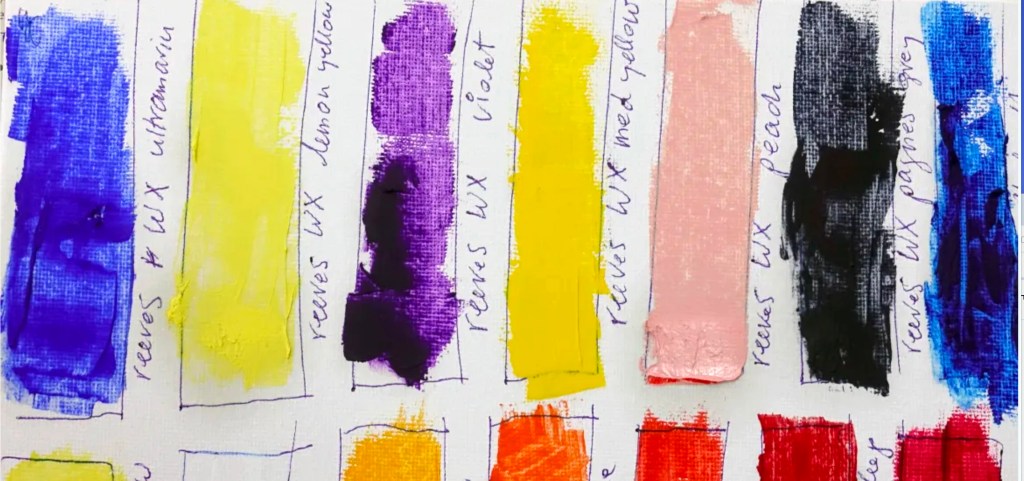
paint swatches made with the water mixable tube oil paints shown above
Are there any fumes when oil paintings dry?
Yes, all oil paintings do emit small amounts of VOC fumes during drying and curing, even if there are no solvents in the paint that is used. Commonly, people may just appreciate that ‘nice natural’ oil smell in their studios, but exposure to large and poorly ventilated oil painting surfaces that are curing may affect lung health, or cause other issues, allergies, and sensitizations.
It is in the nature of the slow oxidization-polymerization reaction that occurs over days and weeks when oil paint dries that various free radicals, reaction products and VOCs are inherently produced and emitted in small amounts from the curing and oxidizing paint film. Active emissions can last up to one year. Typically, when linseed oil from an oil painting cures and dries (through a slow, exothermic oxidization reaction) small amounts of toxic acrolein — a precurser to acrylic acid — are given off into the atmosphere. The chemistry of curing Polyoxyethylene (80) from water mixable paint has been shown to release small amounts of formaldehyde at levels sufficient to cause allergic reactions or headaches in users.
OUR ADVICE FOR A SAFE OIL PAINTING STUDIO:
Avoid keeping in-progress oil paintings in bedrooms or near children. Ensure active ventilation and fresh air supply throughout the curing process (often up to a month), and only keep in-progress oil paintings in bright, warm and dry conditions, which encourage polymerization of the paint film. Avoid damp and cold conditions, and avoid small confined spaces, as VOC accumulations may occur from poor polymerization. VOCs off-gassing from linseed or other oils include formaldehyde, ethane, ethylene, ketones, and acetaldehyde, which also explains why materials contaminated with oil paints or etching inks (rags, paper, etc.) are highly flammable and must be kept in fire proof containers.
CAUTION: linseed oil and all oil painting materials have an inherent fire risk!
WIKIPEDIA EXCERPT:
Water-miscible oil paint can be mixed and applied using the same techniques as traditional oil-based paint, but while still wet it can be removed from brushes, palettes, and rags with ordinary soap and water. One of the ways its water solubility comes from is the use of an oil medium in which one end of the molecule has been engineered to be hydrophilic and thus bind loosely to water molecules, as in a solution. This type of paint is different to those that are engineered to enable cleaning of brushes and application equipment in water but are not in themselves water reducible.
Handling in comparison with other media
The traditional rule of gradation of layers — “fat over lean,” or flexible over less flexible — applies to water miscible oil paint as it does to traditional oil, and in this respect the two kinds of paint behave in the same way. However, their handling is slightly different: when thinned with water to a considerably liquid phase, water miscible oil paint tends to feel and behave like watercolor (although, unlike watercolor, and to a greater extent than traditional oil, it may lose adhesion to the ground or support if over-thinned); by contrast, when used as a short paste without water for heavy impasto work, it tends to drag, developing a consistency somewhat “gummier” or tackier than the more buttery one characteristic of oils. At midrange (between short paste and long paste) water miscible oil paint is gouache-like, sharing the properties of both transparent watercolor and opaque oil (in the manner of watercolor, for example, some colors will darken upon drying, the more so as more water is mixed into the paint, and in the manner of oil, the paint film will have some thickness to it).
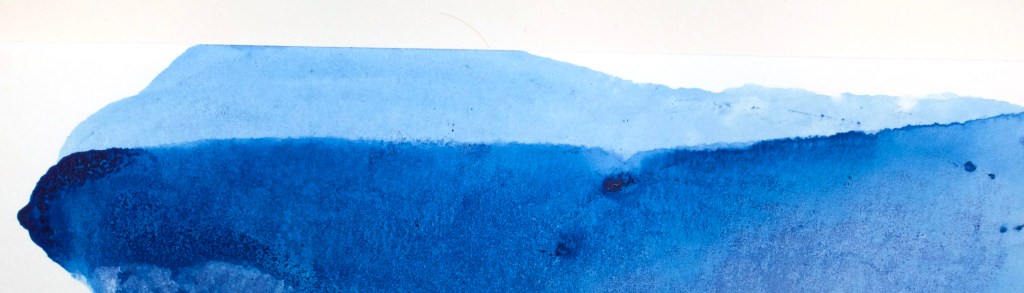
A sample showing Thalo blue oil paint (Grumbacher) that was combined with 30% Sorbitol 80 to make a water thinnable/emulsified oil paint. The paint was then sprayed with water to create the fine wash effects that are shown. There is little difference to washes made with mineral spirits or turpentine, and working time with water thinned paint is longer. For oil glazes, mix walnut oil with 30%-40% Sorbitol 80 and a small amount of oil paint, then thin with water.
Also gouache-like is the overall effect, which tends to be matte as compared to the glossier oil, but this too is a property that will vary, depending on the pigment used and on any mediums (or diluents) mixed into it, as well as on the pastiness of the paint (as a general rule, the pastier, the glossier). The handling of water miscible oil paint, in summary, changes considerably as it passes from one phase to another. This makes it a versatile medium but, by the same token, it also requires the artist to develop by experience specific skills with which to successfully manipulate it and exploit its range to achieve the desired effect.
Water mixable or water miscible oil paints were introduced in the 1990s by the company Royal Talens (Cobra oil paint). Today, the concept of making true artist oil paint that is mixable and thinnable with water — instead of thinning with VOC solvents — has taken a strong hold in the art materials market, and all major manufacturers of oil paints sell their own lines of water mixable oil paint.
In many instances these paints produce results that are almost indistinguishable from regular oil paint, and at first glance have similar working characteristics. Also, tests regarding the longevity of oil paintings indicate that the new medium may not be inferior or less long lasting than traditional oils.
In addition, water mixable oil paints can be freely intermixed with regular oil paints without any issues. Also, most traditional oil painting oils and mediums (such as pure linseed oil, walnut oil, or safflower oil and the various painting mediums) can be used with water mixable oils.
Water mixable oil paints: How does it work?
The water soluble oil paints that are on the market involve the use of specialist ‘surfactants’. (polymerizing surfactants, such as Polyoxyethylene (80)). Essentially these surfactants are not so different from soaps or dishwashing liquid (which also dissolve oils), but the new types of surfactant used in oil paints are only water soluble ONCE, and then undergo irreversible oxidation polymerization within the paint film as the painting dries. Once dry, the resulting paint film is a hybrid matrix of oil and polyester-based polymers that is no longer water soluble, and displays most characteristics of oil painting, and some characteristics of plastics. According to manufacturers paintings made with WB oil paint promise to be as cured, durable, archival, and water resistant as any other oil painting made in the traditional manner.
However, it is useful for artists to understand that the chemical modification that makes water mixable oil paints easily thinnable, dilutable and washable is more than a small trick to make oil painting safer. Anyone who builds up some experience with water mixable oils in their art practice will come to appreciate that these new kinds of oils are more of a new type of painting medium than just a slight modification. Sometimes oil and water do mix!

illustration showing a mono print pulled from a glass palette during painting with water mixable oil paint; grey water mixable oil paint was sprayed with water from a plant mister to create reticulations and tonal ranges, then imprinted onto rag paper
In fact artists can really appreciate the ease with which thin layers, washes and glazes can now be made — especially for an underpainting or more flowing wash-like qualities (think Helen Frankenthaler) just through the addition of purified water. Simply drop water onto the paint, or use a fine spray bottle to moisten the paint, and it dissolves easily.
Water Mixable Oil Paints and Acrylics can be mixed!
Use no more than 15-20% acrylic or gouache as an additive. A percentage higher than that may prevent some of the oil from being able to fully polymerize through oxidization.
There are subtle and unique working differences between oils and water mixable oils, and the latter offer very surprising new creative possibilities. WB oil paints can actually be mixed with the standard range of water based paints, such as gouache paint, watercolor paint, and acrylic paint, as long the addition is less than 20%. Experimentation is recommended, but in many instances many of these admixtures do promise to create durable, luminous and long lasting paint films that can stand the test of time (some of the commercial makers of water mixable oils do allow for, or even recommend the addition of acrylics). There is evidence that the addition of acrylics can speed up the polymerization and drying time of oil paintings, somewhat similar to alkyd oil paints.
Water mixable oil paints tend to dry slightly faster than regular oils, but the slow oxidation – polymerization – reaction of the process still means paintings require, days, weeks, or even months to become fully dry.
Many artists traditionally resort to chemical additives that speed up drying, such as alkyd mediums, thinners and turpentine, or even cobalt dryers. All of these three strategies, however render an intrinsically quite safe oil painting process into something much more hazardous and dangerous to health.
Especially the various fumes from mineral spirits, alkydes, or other thinners pose immediate dangers to health. These mediums should only be used with professional ‘hazard proof’ working conditions involving ventilation or extraction, fresh air supply, and the use of an organic respirator (N95, or better).
Alkyd Painting Mediums: Toxic or Nontoxic?

four sample swatches: the top black streak was made from Winsor and Newton water mixable paint lamp black with 2-3% walnut alkyd medium added, the bar below was made without alkyd. Paint with alkyd flowed much more easily, and all paint samples made with walnut alkyd dried at twice the speed compared to the other sample. The resulting paint film integrates translucent and glossy areas better than unmodified oil paint. Oil paintings can be overly glossy, or may have an uneven balance between thin and thick paint; the right choice of medium, pigment, and brand of paint can help with this issue.
Robert Maynord gives more information on Alkyd Oil Paints here:
Answer: Most Alkyd Mediums are toxic and volatile.
However, the company M. Grahame makes a kind of Walnut Oil Alkyd Medium for oil painting that claims to be nontoxic. The medium enhances the flow of oil paint (with or without water), creates a semi-matt surface, and speeds up the drying time. (see above). Alkyd-modified paint alters the properties of oil paint through the integration with polymerizing polyester resin.